What is Garuda Purana?
Garuda Purana is one of the eighteen major Puranas in Hinduism. This text contains a conversation between Lord Vishnu and his devotee Garuda, where Vishnu answers questions about creation, life, death, and the afterlife. It gives detailed explanations on how karma affects the soul's path and stresses the need for righteous living to ensure a peaceful journey after death.
What Happens After Death According to Garuda Purana
Right after death, the soul separates from the physical body and enters a subtle body that carries its past karma. Yamdoots, the messengers of Yama, the god of death, arrive to take the soul away from the earth. In its initial state, the soul feels confused and lingers near the body and home for about ten days, still attached to worldly things.
The Soul’s Journey After Death
The soul starts a long journey to Yamlok, the realm of Yama, passing through sixteen cities over months or a year. Karma plays a central role, as good deeds ease the path while bad deeds bring suffering and taunts from Yamdoots. The effects of good actions bring comfort, but bad deeds lead to pain, like crossing difficult rivers or facing harsh trials along the way.
The First 13 Days After Death in Hindu Tradition
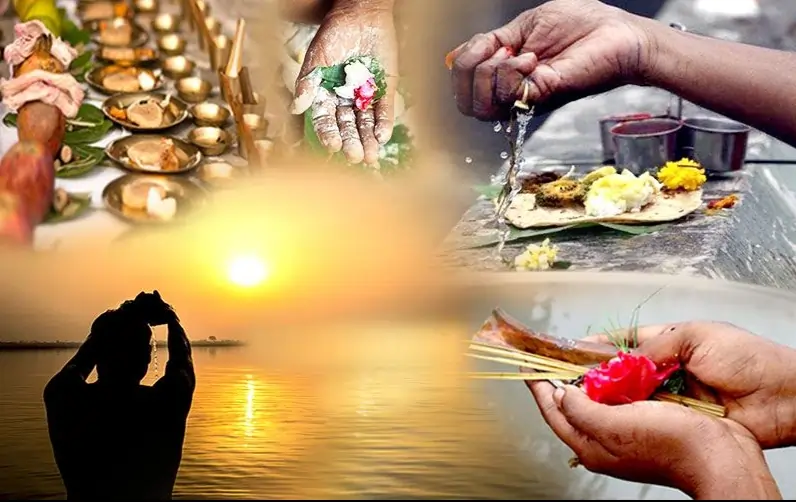
The first 13 days hold great importance as the family performs rituals to help the soul build its subtle body. These pind daan rituals provide strength to the soul during its early journey and reduce its hunger and thirst. The Tehravi ceremony on the 13th day marks the end of this period, after which Yamdoots take the soul toward Yamlok.
Role of Karma in the Soul’s Destiny
Good karma leads the soul to higher realms or heaven, where it enjoys rewards from virtuous acts like charity and devotion. Bad karma results in punishments in hell to purify the soul before rebirth. The text teaches that rebirth happens based on karma, with the soul taking a new body suited to its past actions.
Heaven and Hell in Garuda Purana
Swarg, or heaven, is a place of joy and pleasure for souls with good karma, while Narak, or hell, has various levels with punishments matching sins, like boiling in oil or beating. At Yama's court, Chitragupta reads the soul's karma record, and Yama judges its fate. Different punishments cleanse the soul, but hell is temporary, not eternal.
Importance of Shraddh and Pind Daan for the Soul
Shraddh and pind daan rituals give peace to the soul by satisfying its needs in the afterlife. Family members offer food and water to Brahmins, which reaches ancestors in Pitru Loka through divine means. These acts help the soul cross obstacles and gain a better destiny.
How a Soul Attains Moksha
Moksha means liberation from the cycle of birth and death, where the soul merges with Brahman. Spiritual practices like devotion to Vishnu, chanting his name, and living by dharma lead to this state. Constant awareness of God frees the soul from karma's bonds.
Garuda Purana About Life and Death
Garuda Purana teaches moral living, the value of karma, and following dharma in daily actions. It urges people to practice charity, truth, and devotion to avoid suffering after death. These lessons build spiritual awareness and reduce fear of death.
Conclusion
The soul's journey involves judgment by karma, temporary heaven or hell, and eventual rebirth unless moksha is achieved. Garuda Purana's teachings guide righteous living and rituals to support the departed.